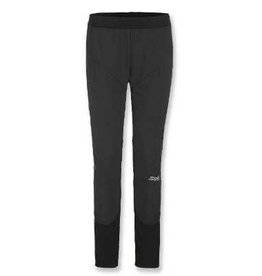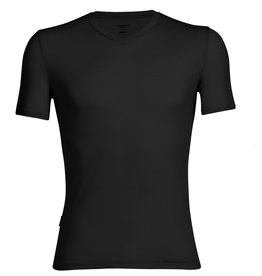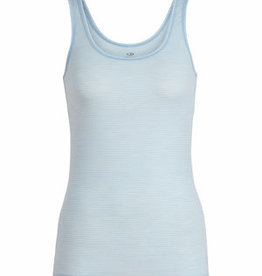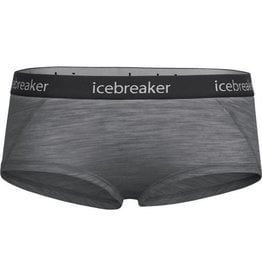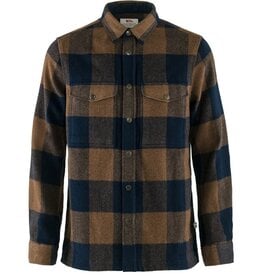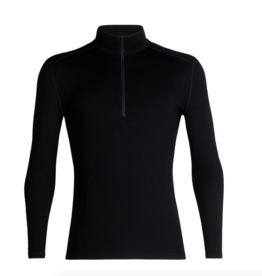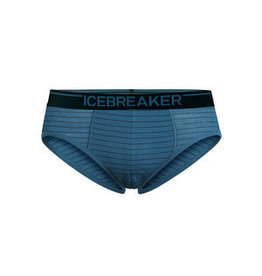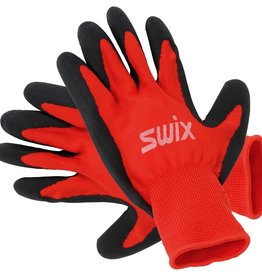
Outdoor Clothing

Dress for every adventure with premium outdoor clothing from Track 'N Trail. Whether you're hiking mountain trails, camping in the backcountry, paddling lakes, travelling, or exploring your local outdoors, the right apparel helps you stay comfortable in changing conditions. Our clothing collection features high-quality jackets, fleeces, shirts, pants, shorts, base layers, rainwear, and accessories from trusted outdoor brands, designed to deliver performance, durability, and all-day comfort.

Built for Canada's diverse climate, our outdoor clothing includes breathable hiking apparel for warm-weather adventures, insulating mid-layers for cooler temperatures, and waterproof outerwear to help protect you from wind and rain. Moisture-wicking fabrics, stretch materials, and technical construction allow for unrestricted movement, whether you're tackling steep trails, setting up camp, or enjoying everyday outdoor activities. From lightweight summer hiking clothing to insulated winter layers, Track 'N Trail offers outdoor apparel for men and women that performs across every season.
Page 58 of 59

FAQs

1. How should I build a three-layer system from this clothing collection?
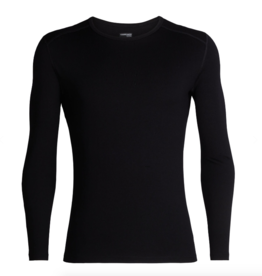
Start with a moisture-managing base layer, add a fleece or insulated midlayer for warmth, and carry a weather shell for wind and rain. The exact combination should reflect activity level: a high-output hike needs more breathability than standing around camp. Track 'N Trail carries base layers, fleeces, insulated pieces, softshells and waterproof jackets, so choose layers that fit comfortably together rather than buying each item in isolation.
2. When should I choose a softshell instead of a waterproof hardshell?
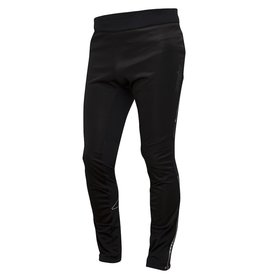
Choose a softshell for dry, cool or lightly snowy conditions when stretch, breathability and wind resistance matter most. Choose a waterproof hardshell for sustained rain, wet snow or exposed trips where dependable weather protection is the priority. The collection includes wind-resistant softshell pieces and three-layer rain jackets. Many shoppers benefit from owning both: a softshell for active use and a packable hardshell as weather insurance.
3. Should my insulating layer use down or synthetic insulation?
Down delivers excellent warmth for its weight and packs small, making it useful in cold, relatively dry conditions. Synthetic insulation is generally more forgiving during high-output use and damp weather, and it can be easier to layer under a shell. Track 'N Trail carries fleece, down and synthetic options. Choose based on moisture exposure, activity level and whether the piece will be worn while moving or mainly during stops.
4. Does a durable water-repellent finish make a garment waterproof?
No. A durable water-repellent finish helps light moisture bead off the face fabric, but it is not the same as a waterproof membrane with sealed construction. Several items in the assortment use DWR for weather resistance, while dedicated rain shells use waterproof technologies. If you need protection in steady rain, check the product's waterproof construction—not only whether the description says water-resistant or DWR-treated.
5. How should outdoor clothing fit when I plan to layer?
Base layers should sit close enough to move moisture without restricting movement. Midlayers need room to move but should not bunch under a shell. Outer layers should accommodate the insulation you realistically wear while still allowing the hood, hem and cuffs to seal. Try the full system in a hiking or climbing posture; sizing every piece up can create excess bulk and reduce moisture management.
6. Which clothing accessories make the biggest difference in cold or wet conditions?
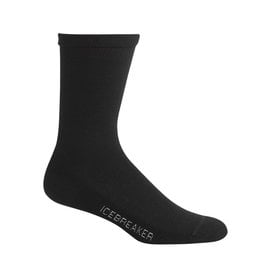
Prioritize the areas that lose comfort first: socks for moisture and blister management, gloves or mitts for hand warmth, headwear for temperature control, and gaiters for snow, mud and trail debris. The collection also includes sunglasses and sun-protective hats for warm conditions. Choose accessories for the activity and exposure rather than matching a general season label; wet hiking and stationary winter use require very different systems.