Climbing Shoes

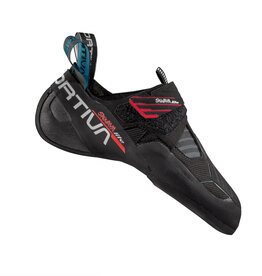
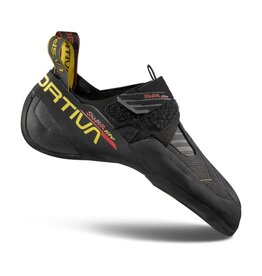
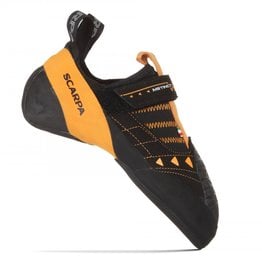
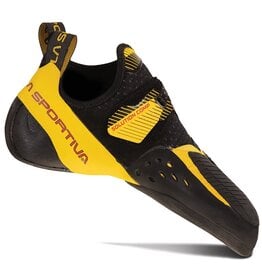
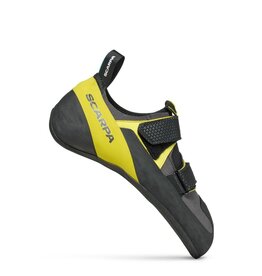
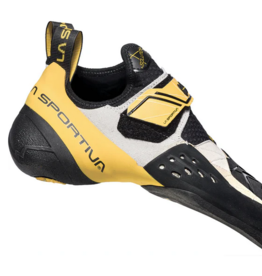
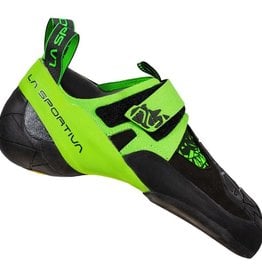
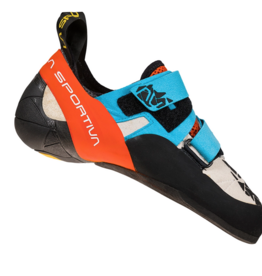
Great climbing starts with confidence on every foothold. Track 'N Trail offers reliable climbing shoes for every skill level, from comfortable entry-level pairs to aggressive, high-performance models like the Drago and Solution Comp.

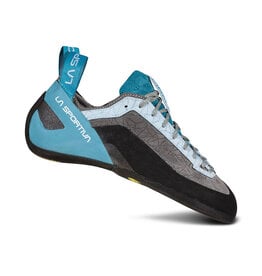
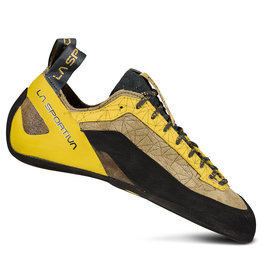
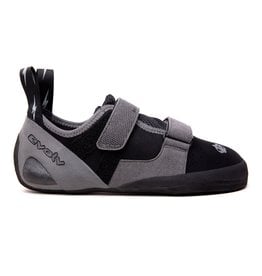
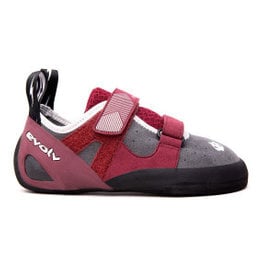
Browse our complete collection of women's climbing shoes and men's climbing shoes from trusted brands like La Sportiva and Scarpa. With sizes ranging from 36 to 48 and a variety of colours to choose from, you'll have no trouble finding the ideal pair for your style and climbing goals. Whether you are looking for stiff shoes for precise edging, soft rubber for indoor bouldering or comfortable options for longer routes, discover the fit, grip and support you need for your next ascent.
Page 1 of 2

FAQs

1. What type of climbing shoe is best for a first pair?
Start with a neutral or mildly downturned shoe that feels secure without severe toe compression. Track 'N Trail carries comfortable entry-level models as well as aggressive options such as the Drago and Solution Comp. A comfortable, repeatable fit usually helps a new climber learn footwork better than an advanced shape that comes off after every attempt. Prioritize heel hold, toe position and the terrain you climb most.
2. Should I choose a stiff or soft climbing shoe?
Stiffer shoes support the foot on small edges and can feel more comfortable on long routes or vertical terrain. Softer shoes conform well to volumes and smears and provide sensitivity for indoor bouldering and steep movement, but demand more foot strength. The collection includes both precise edging shoes and softer performance models. Choose based on your dominant climbing style rather than assuming softer or more aggressive is always better.
3. How aggressive should my climbing shoes be?
A strongly downturned, asymmetric shoe concentrates power at the toe for steep bouldering and sport climbing. A flatter shoe is usually more comfortable for all-day routes, crack climbing and beginners. If you split time between styles, a moderate shoe is the most versatile compromise. Aggression only helps when the shoe fits correctly and you can keep it on long enough to use effectively.
4. How tight should climbing shoes fit?
They should hold the heel and forefoot securely with minimal dead space, but should not cause sharp pain or numbness. Performance shoes are commonly snugger than all-day shoes. Sizing varies substantially by brand, model and upper material, so do not rely on street-shoe size alone. Track 'N Trail lists sizes 36–48 across multiple brands, making model-specific fit notes and try-on feedback especially important.
5. What does low-volume or women's-specific fit mean?
Low-volume models typically reduce space through the heel, instep or forefoot; they are not simply shorter versions of another shoe. They can work for any climber whose foot matches that shape. The collection includes men's and women's categories, but fit should lead the decision. If the heel lifts in a standard model or the closure bottoms out before the upper feels secure, compare a lower-volume version.
6. Should I choose laces, hook-and-loop straps or slippers?
Laces offer the most adjustable fit and are useful for all-day climbing or feet that need different tension across the instep. Hook-and-loop closures are fast between bouldering attempts and gym routes. Slippers maximize simplicity and sensitivity but depend heavily on a precise, low-stretch fit. Pick the closure that supports your climbing routine; the closure alone does not determine performance.