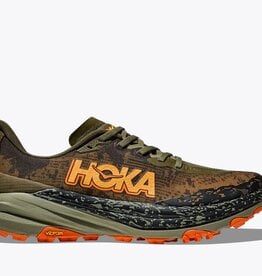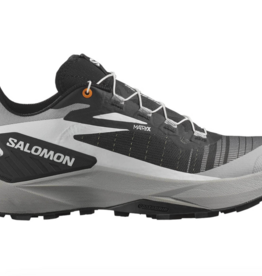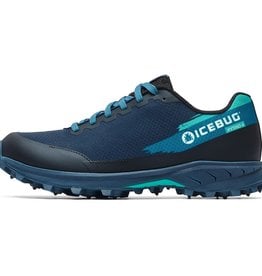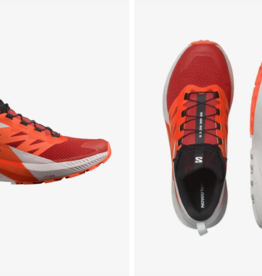
Trail Running Footwear

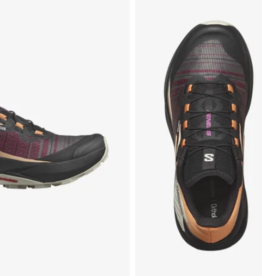
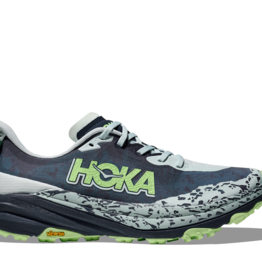
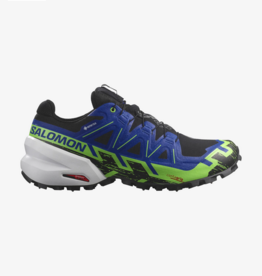
Conquer every trail with confidence in premium trail running shoes from Track N Trail. Whether you're racing through forest paths, tackling rocky mountain trails or enjoying everyday off-road runs, the right footwear provides the grip, comfort and protection needed to perform on uneven terrain.

Our collection features trail running shoes designed to deliver lightweight performance without compromising durability. Built with aggressive outsoles for superior traction, responsive cushioning for all-day comfort and breathable uppers for improved airflow, these shoes help you stay agile and supported across a wide range of trail conditions.

Many trail running shoes also include reinforced toe protection, stable midsoles and weather-resistant or waterproof options, making them ideal for tackling mud, loose gravel, wet trails and technical terrain. Whether you're a beginner exploring local trails or an experienced trail runner preparing for long-distance adventures, you'll find footwear designed to keep pace with every step.

Explore Track N Trail's trail running shoe collection and discover high-performance footwear that combines comfort, stability and reliable traction for your next outdoor adventure.
Page 1 of 7

FAQs

1. When should I choose trail shoes with built-in metal spikes?
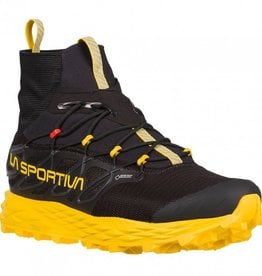
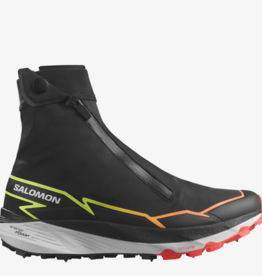
Built-in spikes are useful for regular running on hard-packed snow and ice, where a conventional rubber outsole may not provide enough bite. Track 'N Trail carries winter models with tungsten spikes, weather protection and, in some cases, integrated gaiters. They are less versatile on bare pavement and indoor surfaces, so treat them as a winter-specific tool if your routes frequently alternate between icy and clear ground.
2. Should I choose waterproof or breathable trail running shoes?
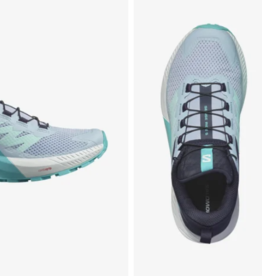
Choose waterproof footwear for cold, wet or snowy trails where keeping outside moisture out matters most. Choose a breathable, non-membrane upper for warm weather, high-output runs or routes with stream crossings where drainage is valuable. Waterproof shoes can feel warmer and dry more slowly once water enters from the top. Match the construction to your season and typical route rather than assuming waterproof is always an upgrade.
3. What outsole works best for mud, rock or mixed trails?
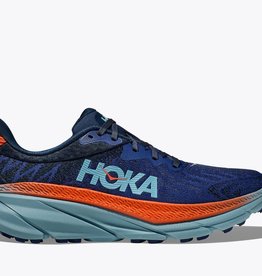
Deep, widely spaced lugs shed soft mud and loose soil, while broader contact areas and sticky rubber tend to feel more secure on hard rock and packed trails. Mixed-terrain shoes balance those traits for routes that include gravel, forest path and short road sections. Track 'N Trail's range includes shoes described for hard rocky trails, technical terrain and all-round use, so choose around your most frequent surface.
4. How do cushioning and rock protection change the ride?
More cushioning can reduce fatigue on long runs and hard-packed trails, while a lower or firmer platform often feels more precise on uneven technical ground. A rock plate or protective midsole helps on sharp surfaces but can reduce flexibility and ground feel. Consider distance, pace, trail sharpness and stability together. The softest or thickest shoe is not automatically the best choice for technical terrain.
5. How should trail shoes fit for steep descents?
The heel and midfoot should stay secure while the toes have enough room to spread and avoid striking the front during descents. Try shoes late in the day and test on an incline if possible. A wide model can help a broad forefoot, but extra overall volume may create sliding. Use your running socks and make sure the lacing holds without numbness or pressure.
6. When should I add a trail gaiter?
A gaiter is useful on loose, dusty, snowy or brushy trails where stones, sticks and debris repeatedly enter the shoe. Track 'N Trail sells both separate trail gaiters and winter shoes with integrated gaiter-style protection. Check attachment compatibility with your footwear and avoid unnecessary bulk on smooth, dry routes. A gaiter improves coverage but does not make a low shoe fully waterproof.