FAQs
1. Should I use a trail-running vest, daypack, or overnight backpack?
A trail-running vest keeps water and essentials close to the body for fast movement. A 20–30 L daypack suits hiking, commuting and compact day kits, while an overnight pack adds load transfer and capacity for shelter, sleep and food systems. Track 'N Trail's equipment range includes running packs, versatile daypacks, and overnight backpacks. Choose from the volume of your complete kit and how securely the load must carry, not the activity name alone.
2. Are carbon or aluminum poles better for running and hiking?
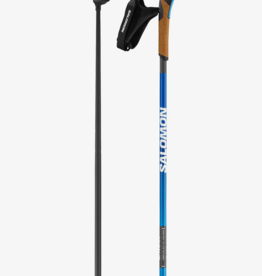
Carbon poles save weight and feel efficient during long races or high-cadence movement, but usually cost more and can be less forgiving of hard side impacts. Aluminum poles are durable, economical and a strong choice for hiking or travel. Folding designs pack shorter than telescoping models. The collection includes both carbon and aluminum folding poles, so compare weight, packed length, grip and replacement-part availability.
3. How should I match a sleeping bag and sleeping pad?
Treat them as one warmth system. A sleeping bag's insulation compresses underneath you, so the pad must provide adequate ground insulation for the season. Then choose bag temperature rating, shape and length around the coldest realistic conditions and how you sleep. Track 'N Trail carries cold-weather down bags and multiple pad types; a warmer pad can sometimes improve the system more than adding a heavier bag alone.
4. Should I carry a tent, bivy or tarp?
A tent offers the most complete insect, weather and living-space package. A bivy minimizes bulk for one sleeper but limits gear space and comfort in prolonged weather. A tarp can be very light and versatile but demands careful pitching and may need separate bug protection. Track 'N Trail carries all three shelter types. Choose based on party size, skill, weather exposure and how much time you expect to spend inside.
5. Which water-treatment system suits solo travel versus group camp?
Soft-flask filters work well for runners and solo hikers drinking on the move. Pump filters offer control at shallow sources. Larger gravity systems are convenient for camp and groups because they treat several litres with little hands-on work. UV purifiers avoid pumping but require clear water and dependable power. Match the system to source quality, group demand and treatment claims, and carry an appropriate backup on remote trips.
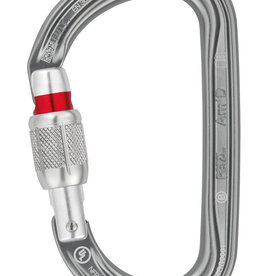
6. How do I avoid buying incompatible technical climbing or via ferrata equipment?
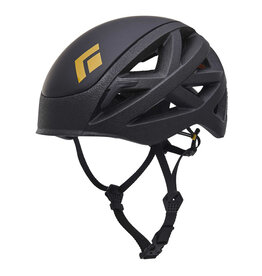
Start with the exact activity, applicable standards and the full system—not price or appearance. Harnesses, lanyards, helmets, ropes, belay devices and connectors have specific intended uses and compatibility limits. Track 'N Trail's equipment page spans climbing, mountaineering and via ferrata products, so confirm each item's certification, user range and manufacturer instructions. For life-safety equipment, obtain qualified instruction and inspect the complete setup before use.