Cross Country Skis

Find the ideal cross country skis for your preferred style, from relaxed trail outings to fast-paced workouts. Track 'N Trail stocks versatile recreational, performance, and race skis in both classic and skate styles. Backcountry nordic skis are also available for those mountain days blazing trails.

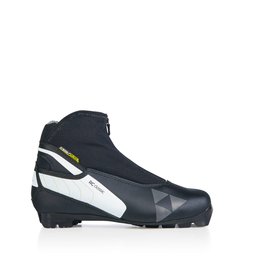
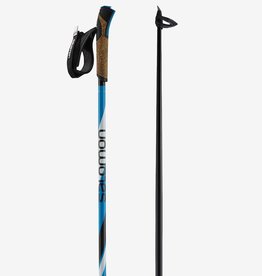
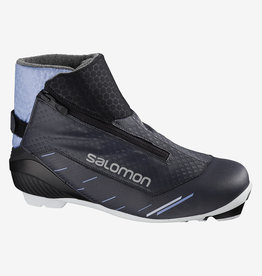
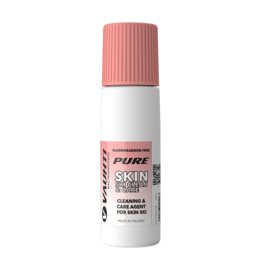
Browse models for every age group, including specialized junior and race skis from leading outdoor brands like Salomon, Fischer, and more. Once you find the right fit, complete your kit with supportive cross country ski boots and lightweight poles, and don't forget to pick up essential ski accessories for regular tuning.
Page 21 of 26

FAQs

1. Should I choose classic, skate or backcountry cross-country skis?
Choose classic skis if you want a lower-barrier technique and expect to use groomed tracks; choose skate skis for groomed lanes, a more athletic technique and speed-focused workouts. Backcountry Nordic skis make more sense when you plan to leave set tracks or travel on softer, variable snow. Track 'N Trail carries recreational, performance and race models in classic and skate styles, plus backcountry options.
2. What is the difference between recreational, performance and race skis?
Recreational skis generally prioritize stability, predictable grip and easier handling. Performance skis reduce weight and improve glide while remaining more forgiving than a full race model. Race skis reward precise technique, carefully matched flex and more regular tuning. If you ski casually or are still refining technique, choosing the right level and style will usually improve the experience more than simply buying the highest tier.
3. Are skin skis a good choice if I do not want to use grip wax?
Skin skis use an integrated skin in the grip zone, avoiding daily kick-wax selection and making them convenient for recreational skiing and changing conditions. They are not maintenance-free: the skins still need appropriate cleaning and care, and the glide zones benefit from glide treatment. If maximum race-day tuning flexibility is the goal, compare them with waxable classic skis before deciding.
4. How do I choose the correct ski length and flex?
Skier weight and the ski's flex range are usually more important than height alone. A ski that is too soft may drag its grip zone and feel slow; one that is too stiff may be difficult to compress for reliable grip. Discipline, ability and snow conditions also matter. Use the model's weight chart and, for a premium or race setup, have the flex matched instead of selecting only from a generic length chart. This is best done in-store or on the phone with Track 'N Trail's experienced staff.
5. Can I use backcountry Nordic skis in groomed tracks?
Sometimes, but check the ski's width before buying. Narrower backcountry models may fit a machine-set track, while wider skis designed for flotation, metal-edge control or deeper snow can be awkward or too wide. If your outings are split between track skiing and ungroomed terrain, prioritize a model described as track-compatible and confirm its widest dimension against the tracks you use.
6. Do cross-country skis come with bindings, and will my boots fit?
It varies by model: some skis are sold with a plate or binding package, while others require a separate binding. Confirm exactly what is included and match the binding system to the outsole on your boots. Do not assume every Nordic boot and binding are interchangeable. If building a new setup, choose skis, bindings and boots as one compatible package.