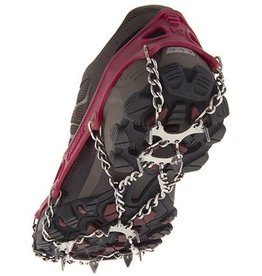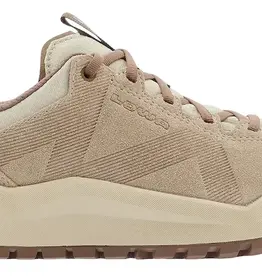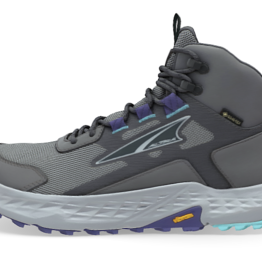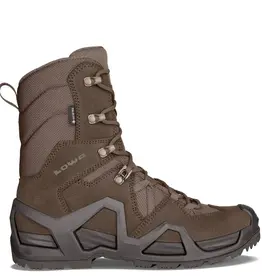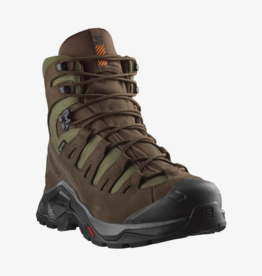
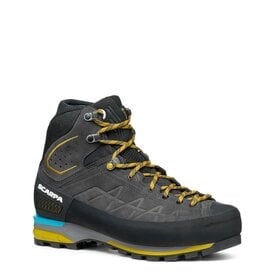
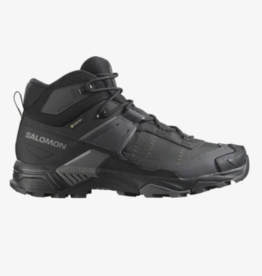
Hiking Footwear

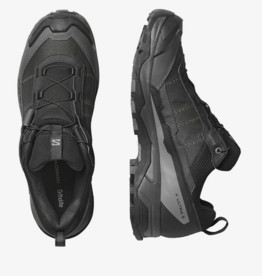
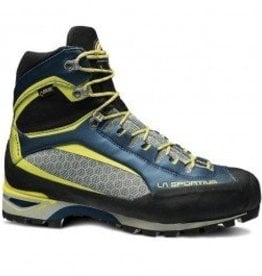
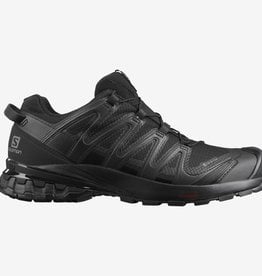
From quick weekend walks on local trails to challenging multi-day trips in the mountains, having the right hiking footwear makes every step easier. Track 'N Trail carries trusted outdoor brands including Salomon, La Sportiva, Scarpa, Lowa, Hanwag, Altra, and more.

Whether you prefer lightweight trail shoes for casual days or sturdy leather boots for extra ankle support, our collection offers women's hiking footwear and men's hiking footwear for different terrains and preferences. You can also browse a range of styles and colours to match your footwear with the rest of your outdoor clothing.
Page 6 of 10

FAQs

1. Should I choose hiking shoes, mid boots or backpacking boots?
Choose hiking shoes for maintained trails, lighter loads and fast movement. Mid boots add coverage and some structure for variable terrain. Backpacking boots provide the most underfoot support and protection for heavy packs and rough multi-day routes. Track 'N Trail's assortment ranges from trail-runner-inspired mids to supportive leather trekking boots, so use pack weight, terrain and trip length—not boot height alone—to decide.
2. How much support do I need for a loaded hiking pack?
As pack weight and terrain difficulty increase, look for stronger heel hold, torsional stability, underfoot protection and a midsole that does not collapse late in the day. A lighter boot may be ideal for an experienced hiker carrying a compact load, while a stiffer trekking boot can improve control with heavier equipment. Test the footwear with representative pack weight whenever possible.
3. Should hiking footwear be waterproof or fast-drying?
Waterproof boots suit wet vegetation, mud, snow patches and prolonged cold rain. Fast-drying non-membrane shoes are often better in heat or on routes with repeated deep crossings. The collection contains GORE-TEX and other weather-protected models as well as lighter options. Consider whether water is more likely to come through the upper or over the cuff, and how easily you can dry footwear overnight.
4. What fit options are available for wide feet or bunions?
Track 'N Trail carries standard and wide versions of several trekking boots, plus a low Hanwag model built on a Bunion Hike Last for hallux valgus. A wide boot should create forefoot space while keeping the heel secure; a bunion-specific last targets a different shape than general extra width. Choose the last that matches where you need room instead of sizing up in length.
5. Should I choose leather or synthetic hiking footwear?
Leather offers durable structure, abrasion resistance and a fit that can mould with use, making it common in premium trekking boots. Synthetic footwear is usually lighter, feels flexible sooner and can dry faster. Many models combine materials and a waterproof membrane. Choose leather for long-term structure and rough use; choose synthetic when low weight and immediate comfort matter more. Construction and fit still matter more than material alone.
6. How should hiking footwear fit before a long trip?
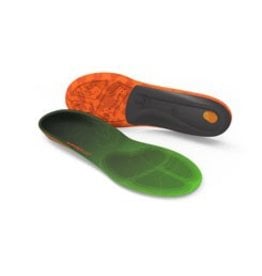
Fit late in the day with your hiking socks and any intended insole. The heel should remain secure, the forefoot should not feel compressed and the toes should not strike the front on a descent. Do not expect break-in to add length or fix a mismatched last. Wear new footwear on progressively longer outings before a major trip, especially structured leather boots or high-support backpacking models.