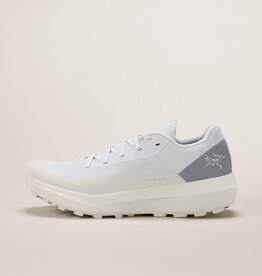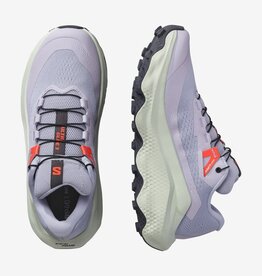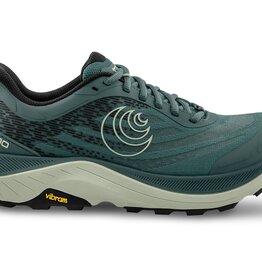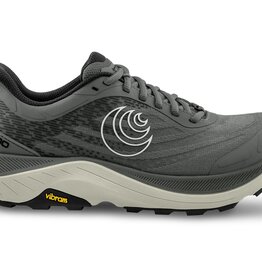
Outdoor Footwear

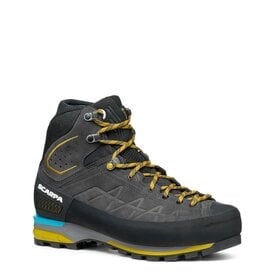
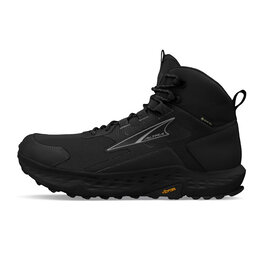
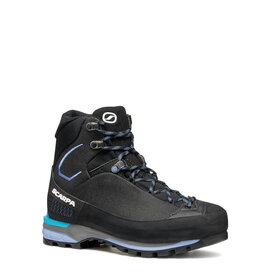
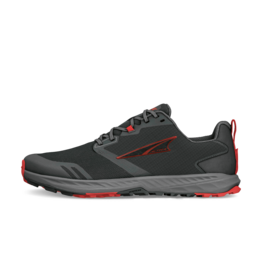
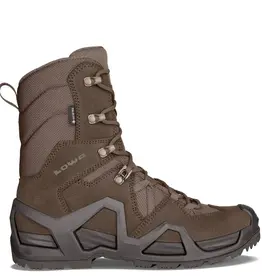
Step confidently into every adventure with premium outdoor footwear from Track N Trail. Whether you're hiking rugged mountain trails, backpacking through the wilderness, camping, travelling or enjoying everyday outdoor activities, the right footwear provides the comfort, support and protection you need to perform your best.

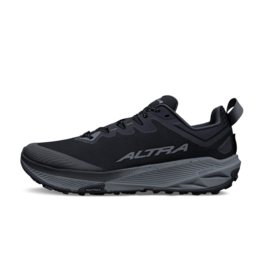
Our collection features hiking boots, hiking shoes, trail running shoes, winter footwear and everyday outdoor footwear from trusted brands renowned for quality and durability. Designed to tackle a wide variety of terrain and weather conditions, many styles offer waterproof protection, breathable construction, cushioned midsoles and high-traction outsoles for reliable grip on uneven surfaces.

From lightweight hiking shoes for fast-moving day hikes to supportive boots for challenging backcountry adventures, our outdoor footwear is built to deliver lasting comfort and dependable performance. You'll also find footwear suited to travel, casual outdoor wear and seasonal conditions, ensuring you're prepared wherever your journey takes you.
Page 10 of 19

FAQs

1. Which footwear category should I choose for my main activity?
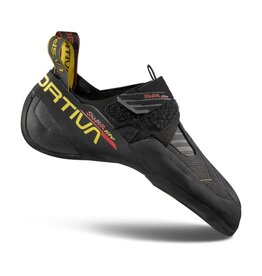
Choose trail running shoes for lightweight movement and off-road traction, hiking shoes or day-hiking boots for general trails, backpacking boots for heavier loads and long rough trips, and mountaineering boots when stiffness, alpine protection or crampon compatibility is required. Climbing shoes are purpose-built for rock, while work and tactical boots emphasize durability and support. Start with the most technical terrain you regularly encounter, not the most ambitious trip you might take once.
2. Should I choose a low hiking shoe, a mid boot or a high boot?
A low shoe saves weight and offers natural ankle movement for maintained trails and light packs. A mid boot adds coverage and structure without the bulk of a full trekking boot. A high, supportive boot is useful for heavy packs, rough ground, deep mud or snow. Height alone does not determine support: compare the midsole, heel hold, torsional stiffness and overall fit as well.
3. Is waterproof outdoor footwear always the best option?
Waterproof footwear is valuable for cold rain, wet vegetation, mud and snow. A breathable non-membrane shoe can be more comfortable in hot weather and may drain and dry faster after deep water crossings. This collection includes waterproof, weather-resistant and breathable options across several activities. Choose for the conditions you encounter most often, and remember that water can still enter over the cuff of a waterproof boot.
4. How do I choose between standard, wide and specialty lasts?
A wide last should relieve forefoot compression without letting the heel slide. Specialty shapes can address more specific needs; the assortment includes wider versions and a Hanwag Bunion Hike Last for wearers with hallux valgus. Do not gain width by simply buying extra length. Compare heel hold, forefoot width, instep volume and toe shape, because two boots labelled wide can fit very differently.
5. When do I need insulated or winter-specific footwear?
Choose insulation when you spend long periods in sustained cold, move slowly, or expect snow and frozen ground. For fast hiking or mixed indoor-outdoor use, an insulated boot can become too warm and hold moisture. Track 'N Trail's footwear range includes winter models as well as non-insulated waterproof boots. Match insulation to activity level and leave enough room for circulation and the sock system you actually use.
6. Can one pair of boots cover hiking, backpacking and work use?
A supportive trekking boot can cross over between hiking, backpacking and rugged outdoor work, and this collection includes models positioned for more than one use. The compromise is weight and flexibility: a heavy work-capable boot may feel excessive on casual trails. Also, do not assume an outdoor or tactical boot meets jobsite safety standards. Confirm any required CSA toe, puncture or electrical certification at the exact product level.