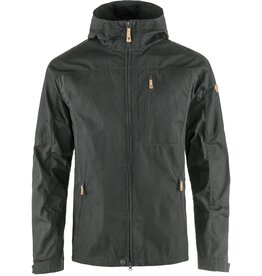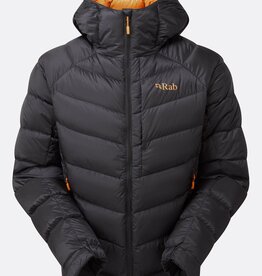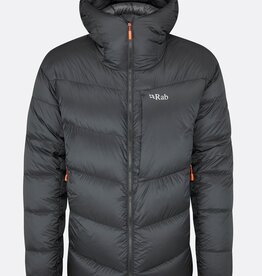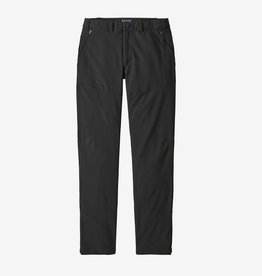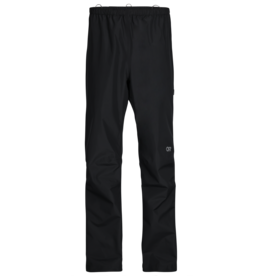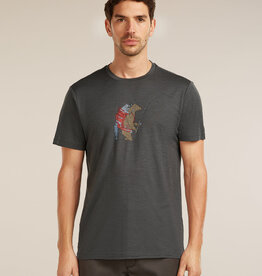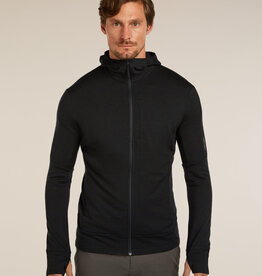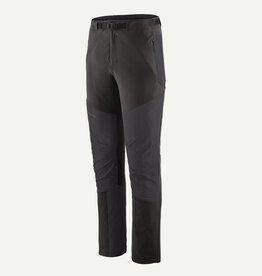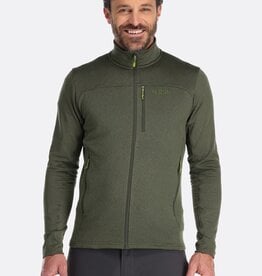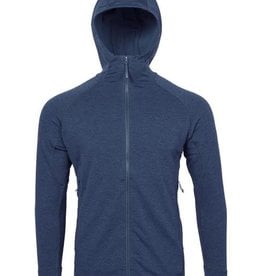
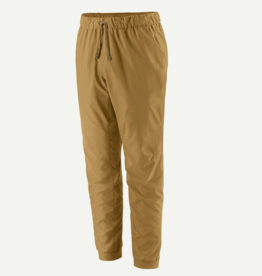
Men's Hiking Apparel

Whether you're heading out for a short day hike, tackling challenging mountain terrain or embarking on a multi-day backpacking adventure, our collection is designed to help you stay comfortable, protected and ready for changing conditions.

Discover high-performance hiking apparel, including moisture-wicking shirts, lightweight hiking pants, durable shorts, insulating fleeces, waterproof jackets, base layers and weather-resistant outerwear from trusted outdoor brands. Designed with breathable fabrics, stretch construction and quick-drying materials, our hiking clothing delivers unrestricted movement while helping regulate body temperature throughout your journey.

From warm summer treks to cool alpine hikes and unpredictable weather, our men's hiking clothing is built to perform across every season. Practical features such as articulated fits, secure pockets, adjustable hoods and durable water-repellent finishes provide the functionality you need on the trail.
Page 5 of 13

FAQs

1. Should I buy a softshell hoody or a fully waterproof hiking jacket?
A breathable, wind-resistant softshell such as the styles represented in this collection works well for cool, active hiking when precipitation is limited. A fully waterproof jacket is the better choice for sustained rain, wet snow or exposed mountain weather. If you hike in variable Alberta conditions, a common system is to wear the softshell for comfort and keep a lightweight waterproof shell in the pack.
2. What is the advantage of a three-layer rain jacket for hiking?
A three-layer shell bonds the face fabric, waterproof membrane and inner backer into one construction, usually improving durability and moisture management for frequent or all-day use. Track 'N Trail's men's hiking assortment includes several three-layer rain jackets as well as lighter options. Choose a robust three-layer piece for repeated mountain use and backpack abrasion; choose a lighter shell when packed size and occasional emergency coverage matter more.
3. Should my men's hiking midlayer be fleece, synthetic insulation or down?
Fleece breathes well and is easy to regulate during steady movement. Synthetic insulation balances warmth with better tolerance for damp, high-output conditions. Down offers the best warmth-to-packability for cold stops and drier conditions. The collection includes all three. For an active hiking layer, prioritize breathability; for a belay, summit or camp layer, prioritize the warmth you need when movement stops.
4. What hiking pants work best for warm trails versus cool alpine conditions?
For warm trails, look for lightweight, quick-drying fabric, stretch and ventilation. For cool alpine hikes, a denser softshell fabric adds wind resistance and warmth; Track 'N Trail also carries warmer softshell pants for harsher conditions. Articulated knees and gussets matter when scrambling or stepping high. Choose the lightest fabric that still provides the abrasion and weather protection your terrain requires.
5. Which jacket features matter when wearing a backpack?
Check that shoulder and side seams do not create pressure under pack straps, and make sure pockets remain accessible above the hipbelt. A slightly longer hem can improve coverage, while adjustable cuffs, hem and hood help seal weather. Some technical jackets in this collection add helmet-compatible hoods; that feature is useful for climbing but can feel oversized for hiking alone, so match the design to your real use.
6. How should men's hiking clothing fit as a complete system?
Use your normal movement and intended layers as the test. Shirts and base layers should not pull across the shoulders, pants should allow a high step without binding, insulation should fit under the shell without compression, and the shell should still adjust securely when worn alone. Try reaching overhead, stepping onto a bench and wearing a loaded pack. Brand sizing varies, so use measurements and the product's fit description rather than assuming one size across the collection.